How to host a clothes swap with friends – a guide

I’ve been hosting clothes swaps at my house for several years (definitely more than a decade), two or three times a year. Clothes Swap parties are a great excuse for a catch up with my favourite people, where I also get the great pleasure of seeing them enjoy the clothes I no longer enjoy. AND I get exciting new stuff to wear! I don’t always end up wearing the things I pick up at swaps, but luckily, I can just put it back in the next swap! Some of the items that turn up after several years are things I gave away and now they seem all fresh and wonderful again. It’s almost like having a rotating collective wardrobe. Along with a chance to play dress ups with friends.

I am lucky to have a great group of friends. We have all changed sizes and lifestyles and had kids and swapped maternity clothes and baby clothes and round and round it goes. Now our teens are also participating in the swaps. New friends have joined the swaps over the years (after all, we need new injections of fresh clothes and styles every now and then 🙂

Over the years I’ve built a kind of kit for the swaps. There are two giant boxes of coat hangers in the attic, along with three clothes rails. I also printed out some category signs a few years ago – coats, dresses, that kind of thing – the I hang on pants clothes hangers so everyone knows where to put their stuff when they arrive. I think I’ve probably spend maybe $80 on this stuff and it gets used for lots of different things. Most of the hangers have been contributed by people who attend and so was one of the rails. I have definitely gotten (and given) literally thousands of dollars worth of clothes so it doesn’t seem like much of a burden. In fact, that is the first time I have ever really thought about it in monetary terms. Because it is just not about that.

Once the value is placed on the USE – not the COST – of the clothes, everything changes. Its free. There is no cost to you to own it, except the space it takes up. So you are suddenly free to be both less and more choosy. I think that is how the circular economy works. You take out the scarcity and the competition elements, because the stuff is just going around and around. What’s left? Just how it feels and how you feel in it and how useful it is. Clothes swaps are basically a revolutionary act against capitalism.

So whether you want to commit a revolutionary act, have a catch up with friends, make room in your cupboard, motivate yourself to have a sort out or just get free stuff, there is no way to lose with a clothes swap. I am genuinely mystified why there are more of them going on out there amongst all the posses and group chats.

As luck would have it, I had the opportunity to discuss this very thing with a clever person at my local council, and this guide “How to host a clothes swap with friends” was born. My hope is that it is the little seed that causes a swap to germinate and then THAT swap inspires another swap, until we make dent in the absolute BIN FIRE that is the fast fashion industry. Because what is better than cheap clothes? The answer is human connection and it’s free. *mic drop*
Screenshot

September 12 2026: Zero-Waste Festival

Remaki has a stall at the Zero Waste Festival! In the atrium at Fed Square.

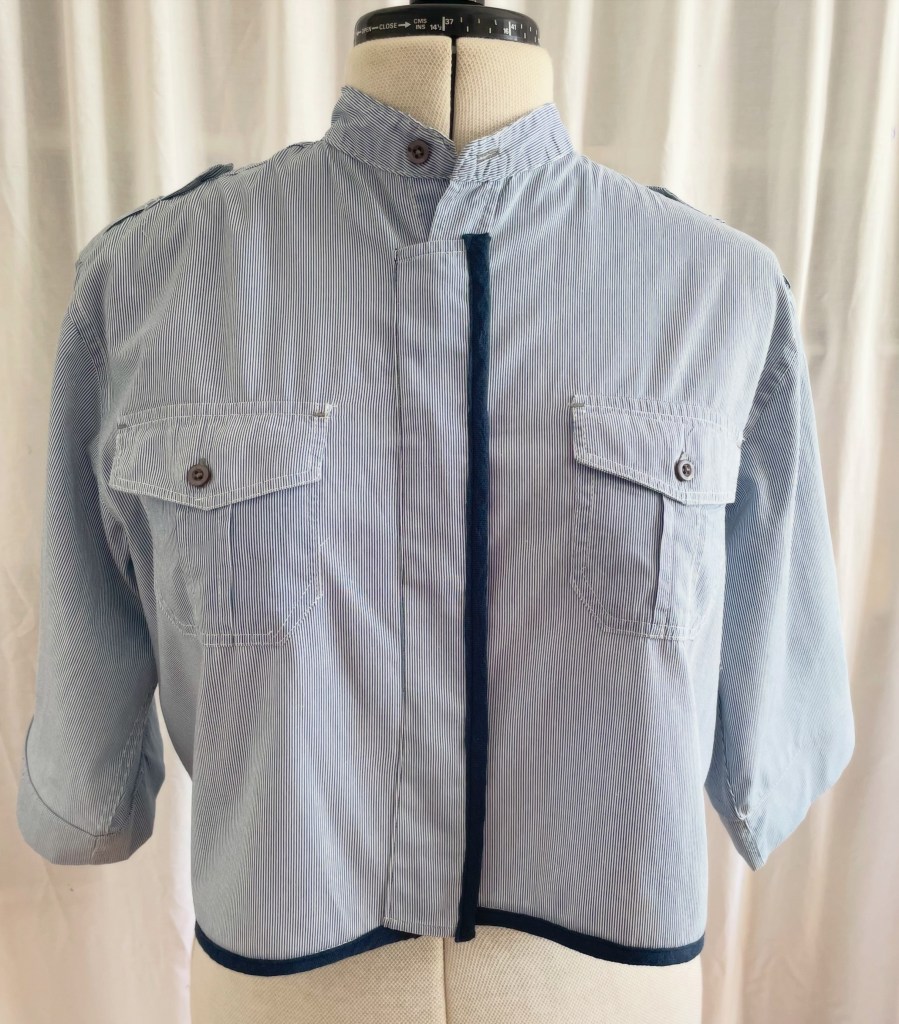
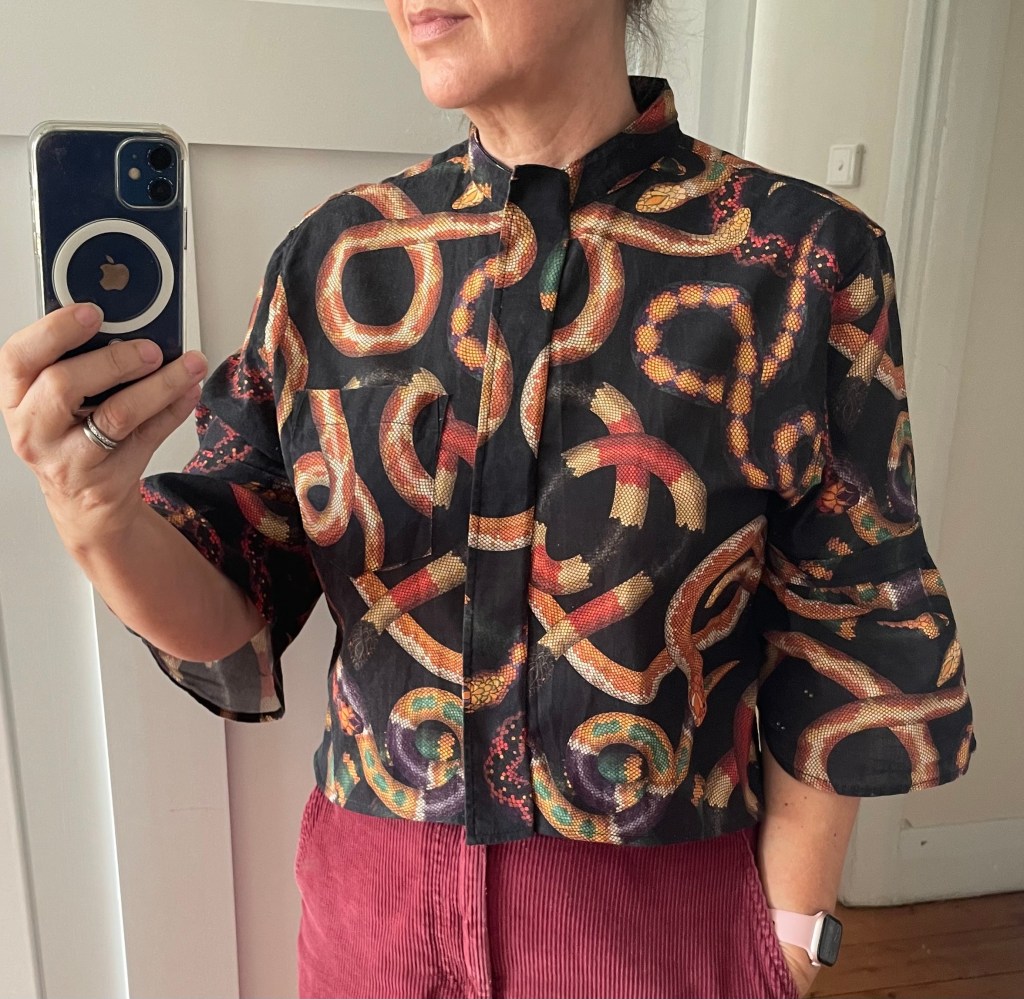
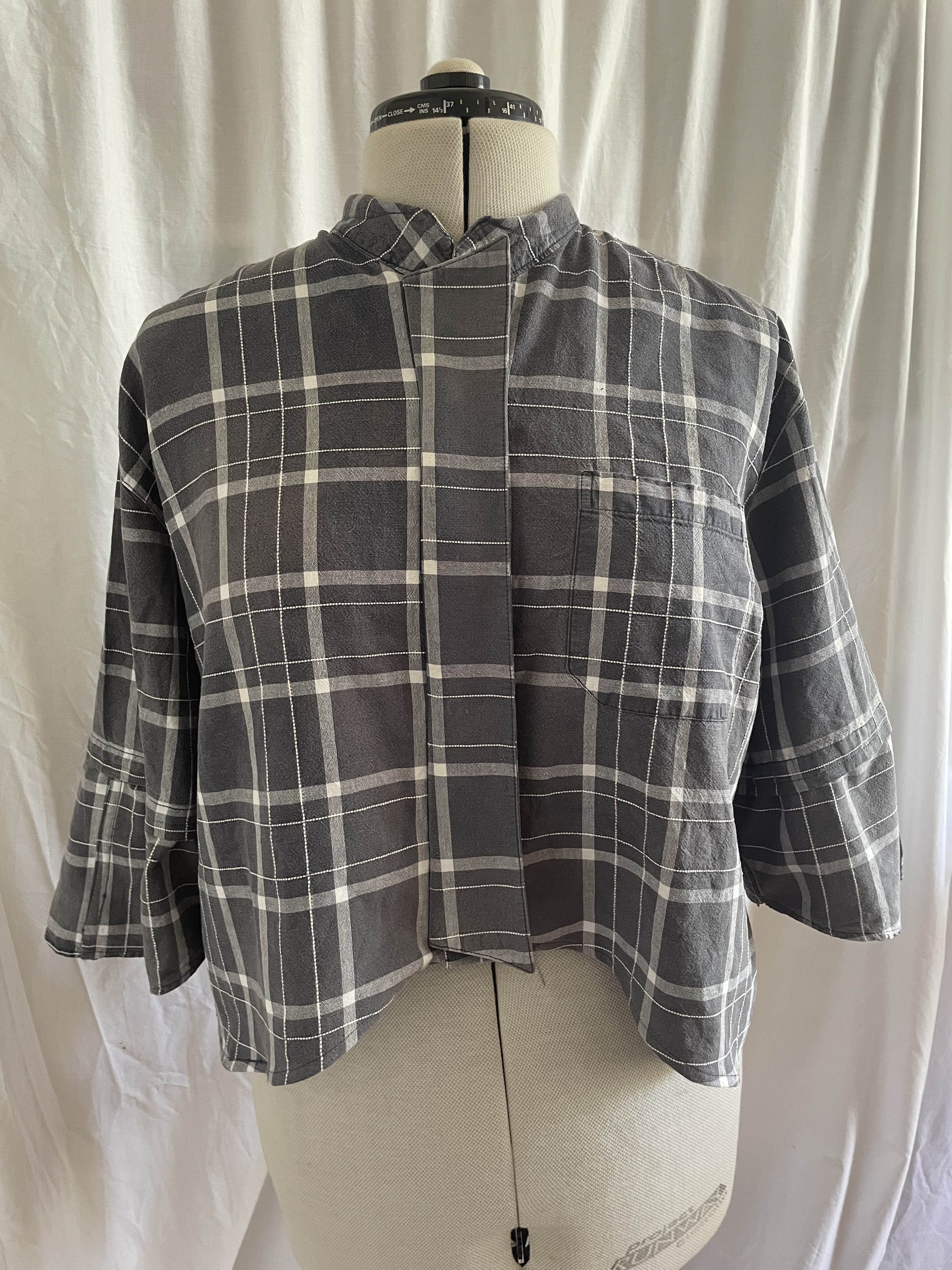
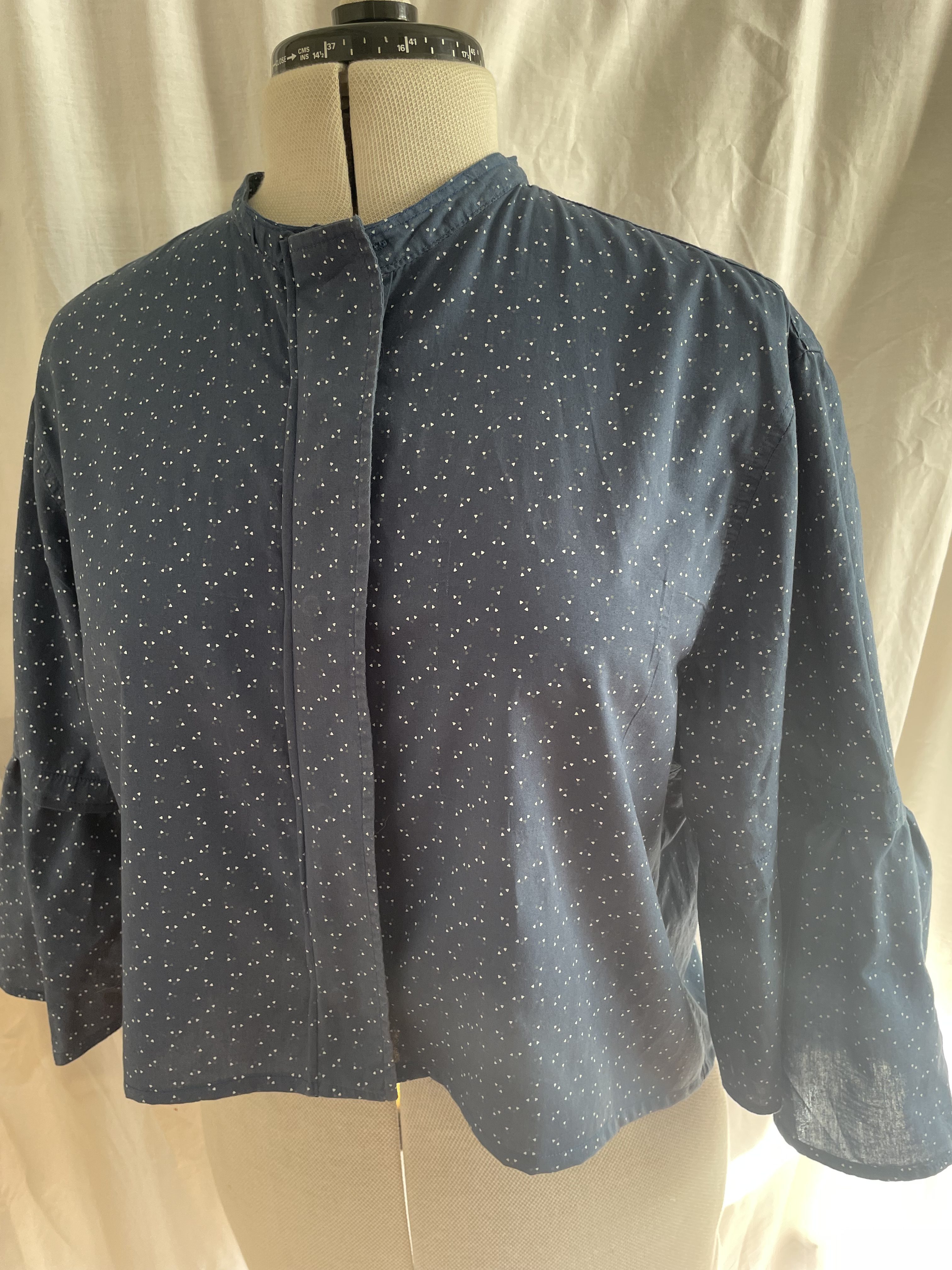
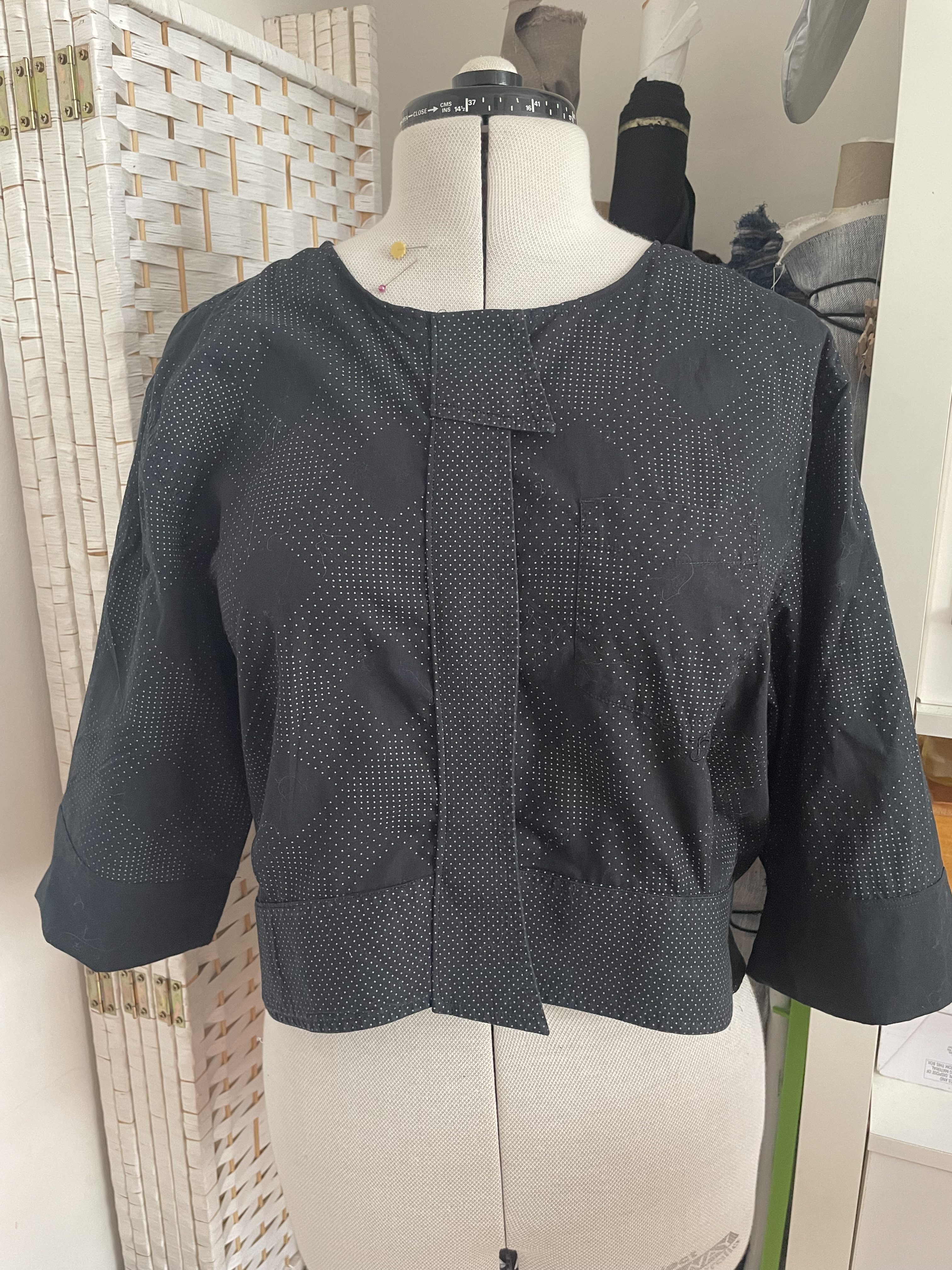
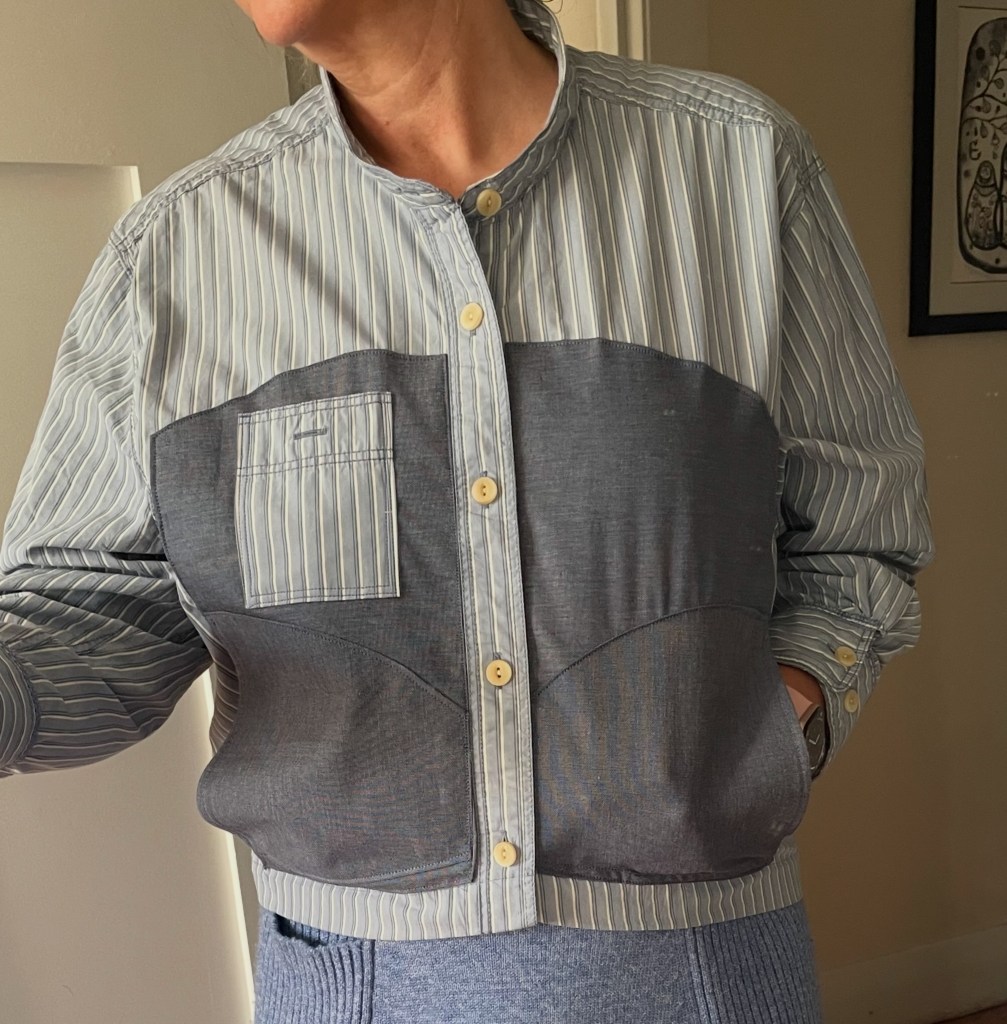
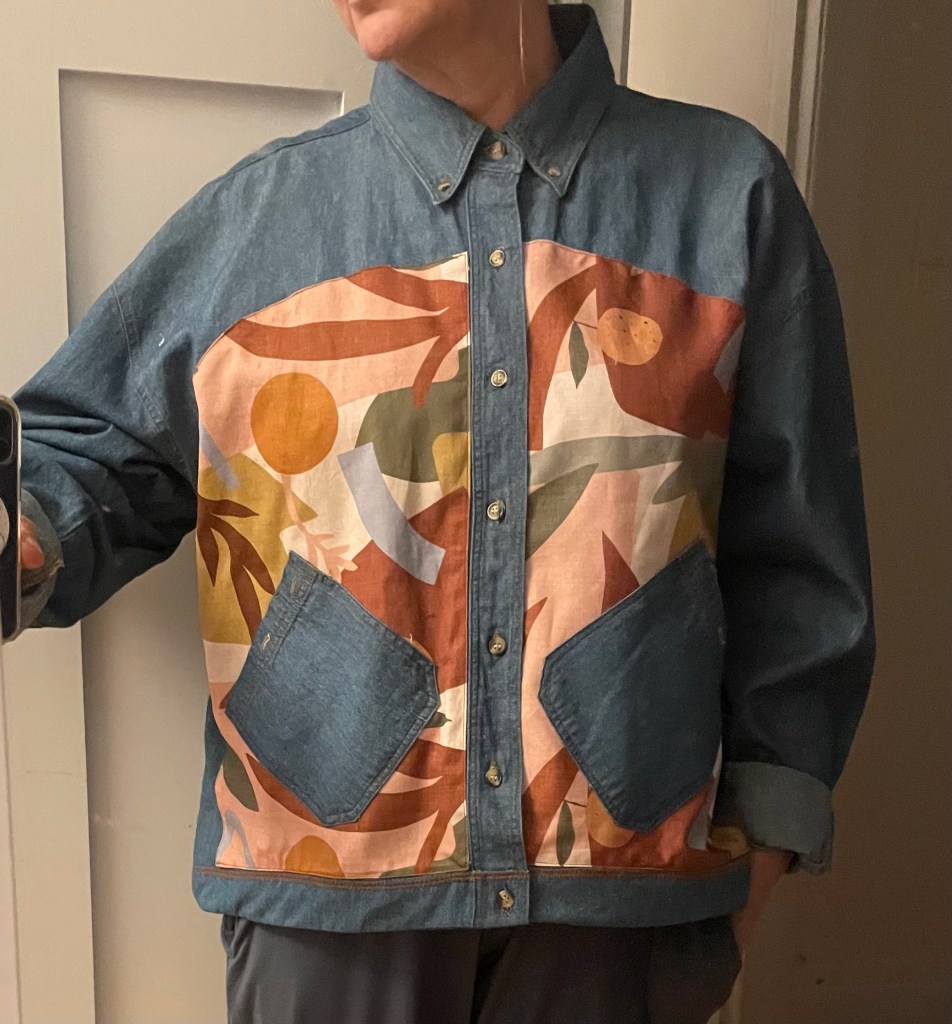
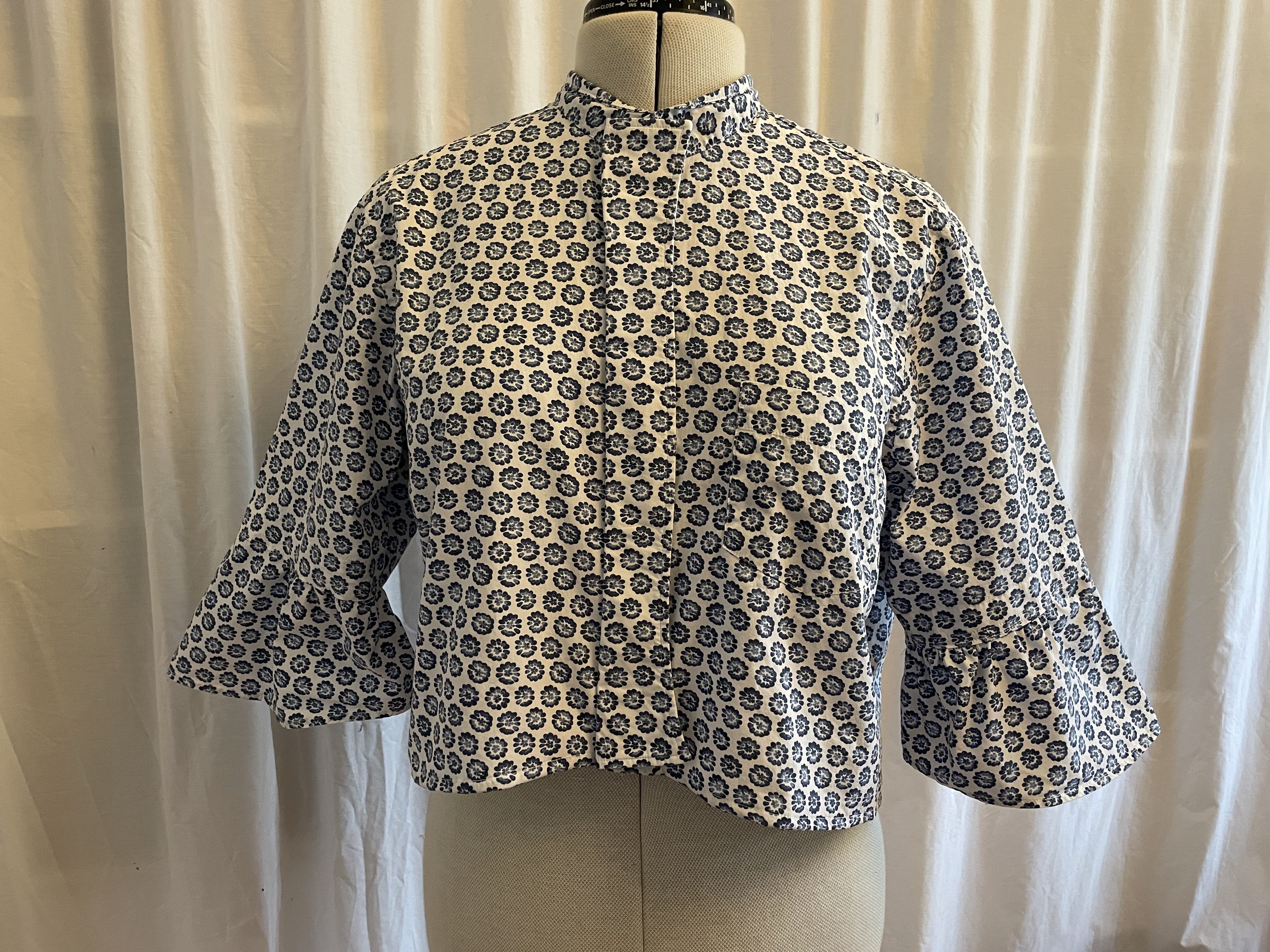
I have been making things to sell at the festival that I hope shows off some accessible upcycling possibilities. My mild obsession with mens’ shirts has continued:

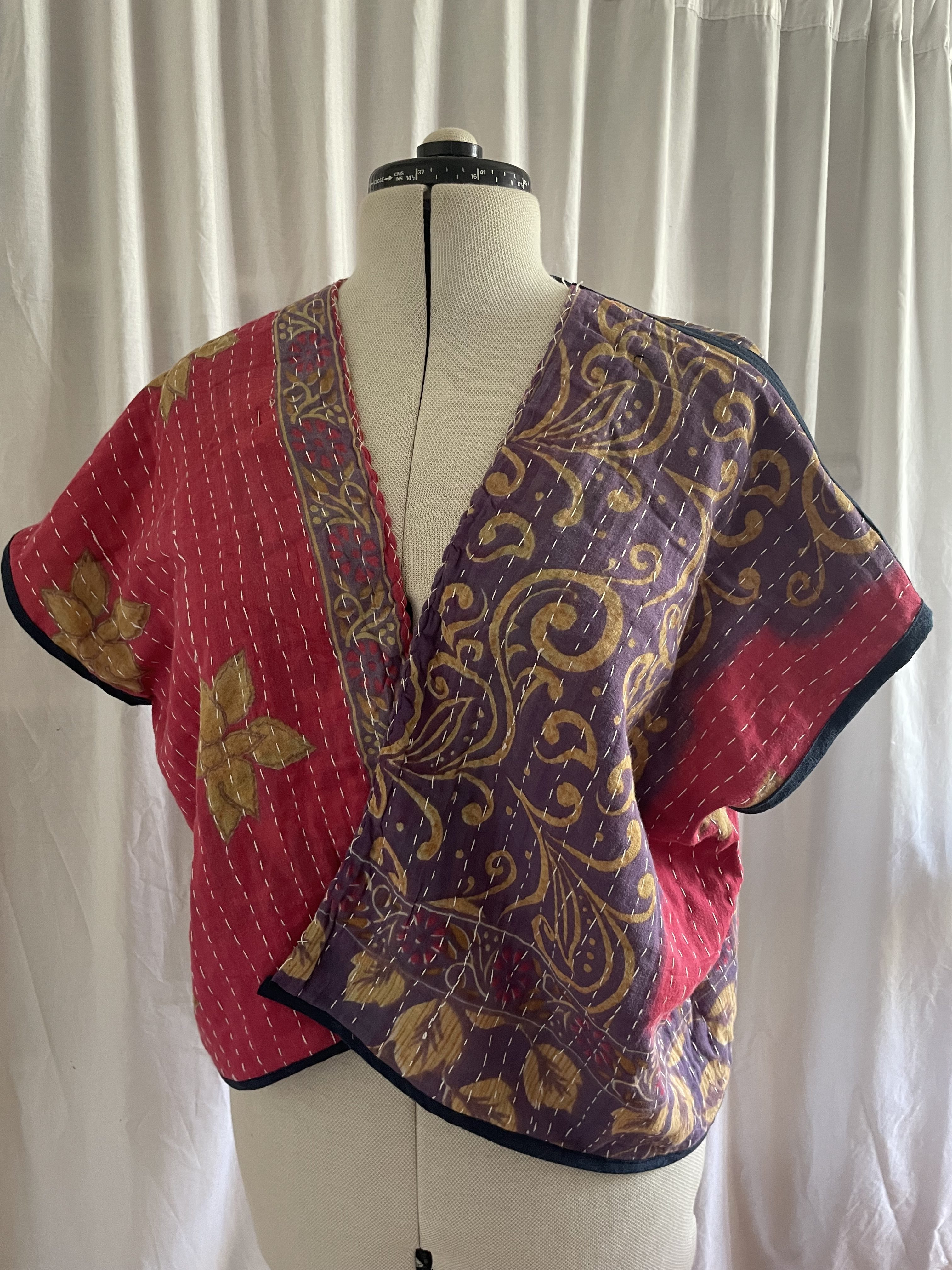
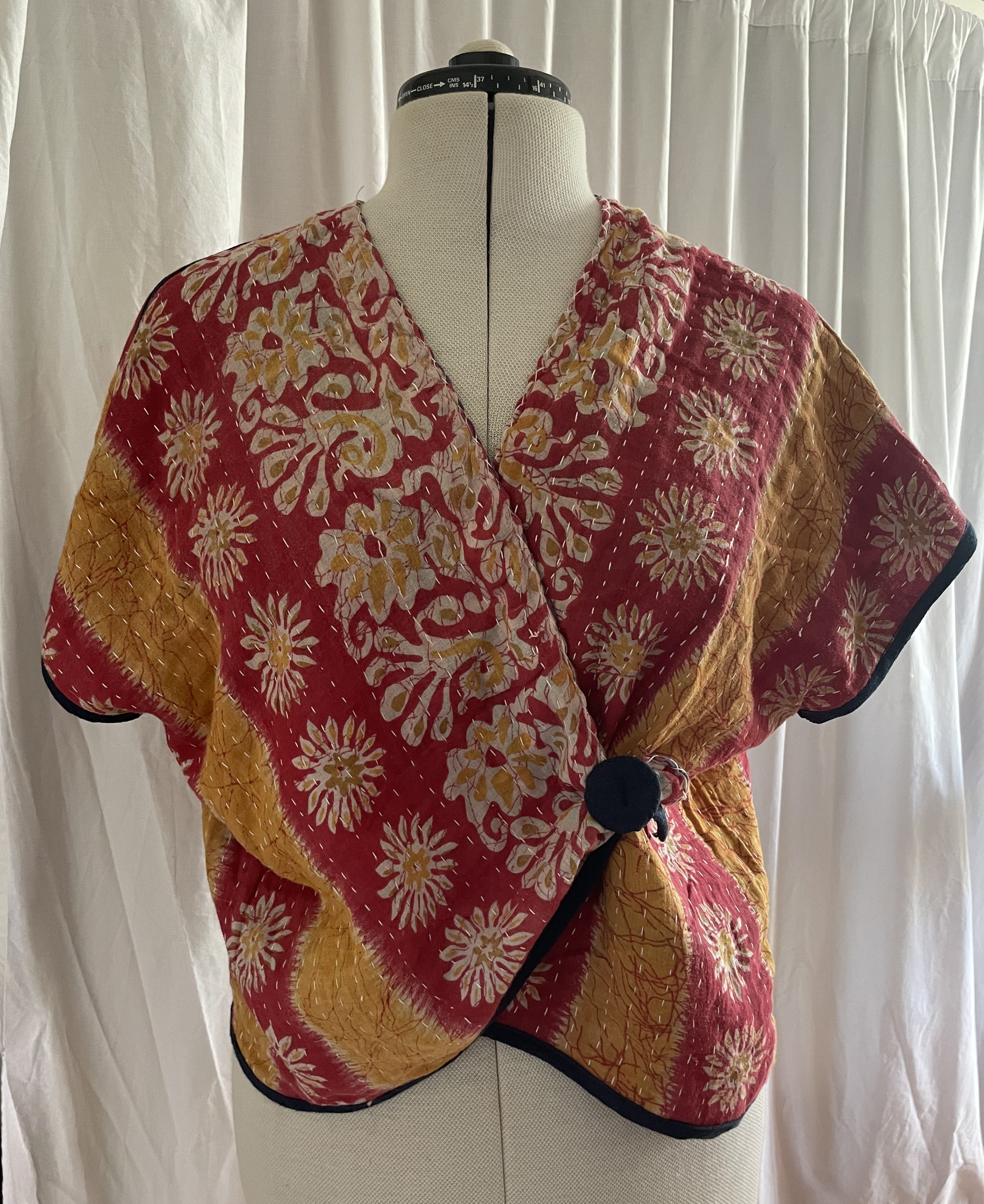
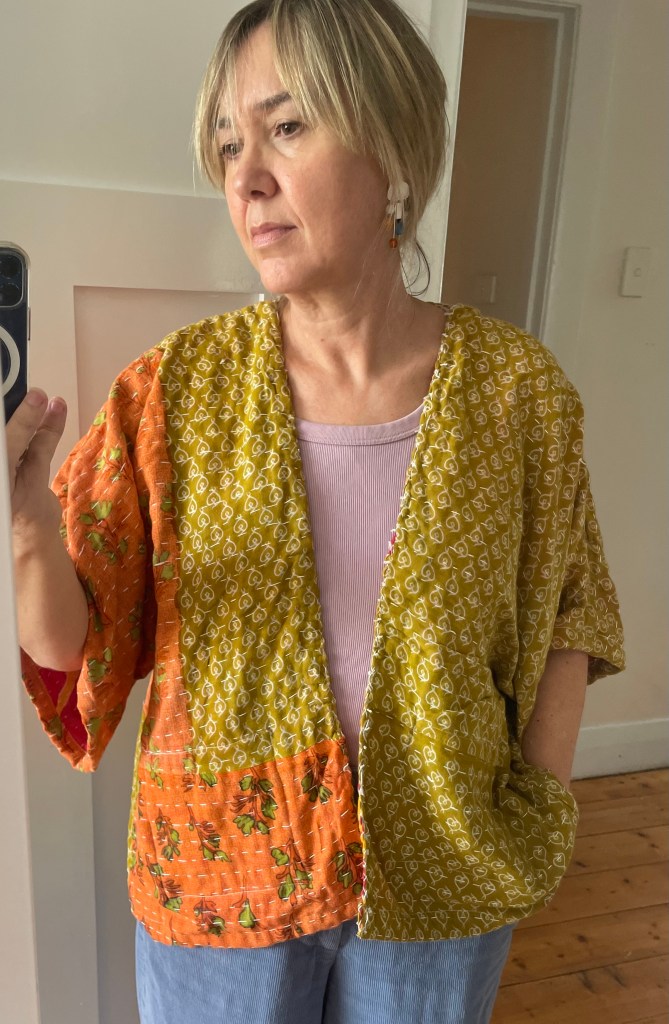
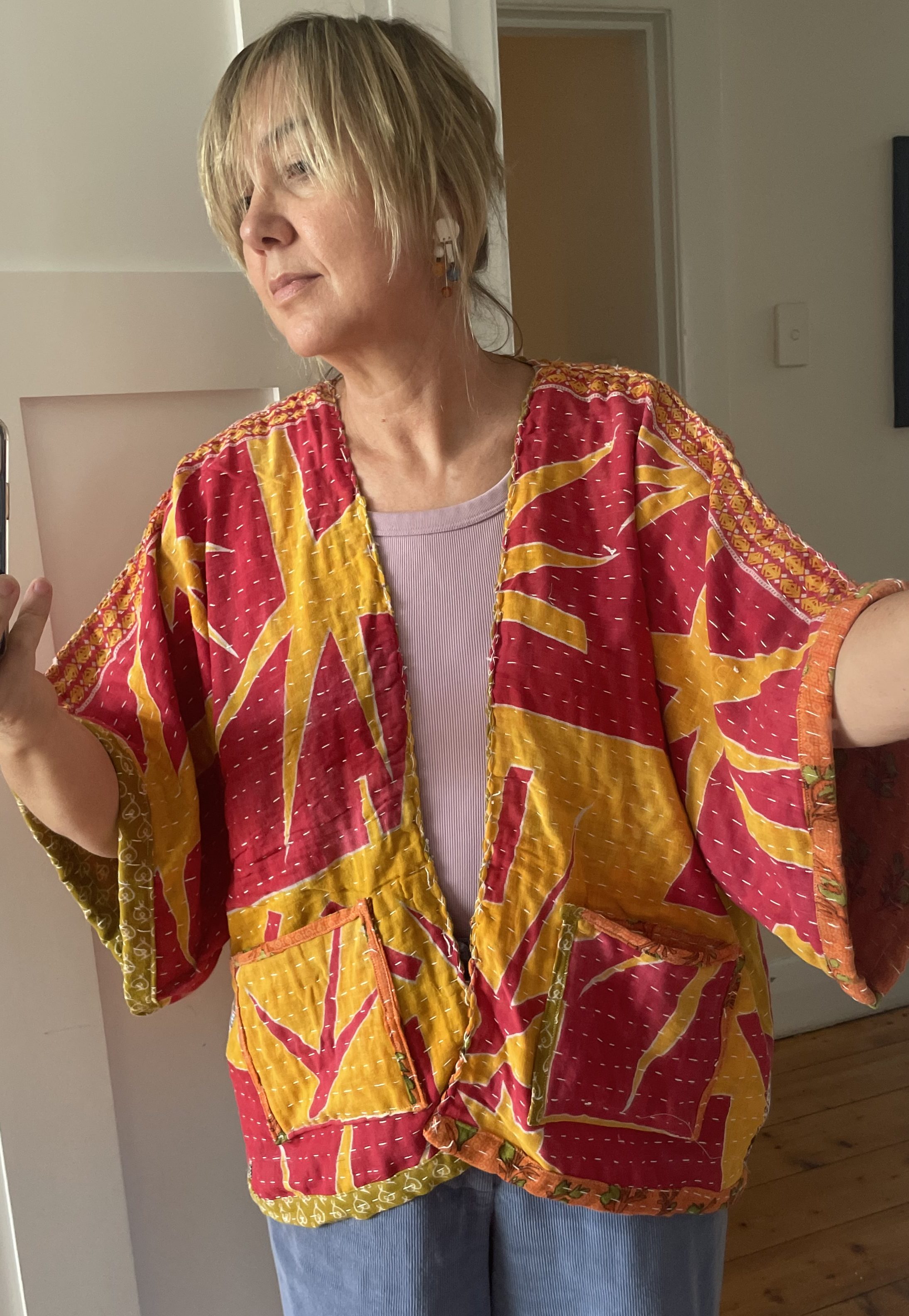
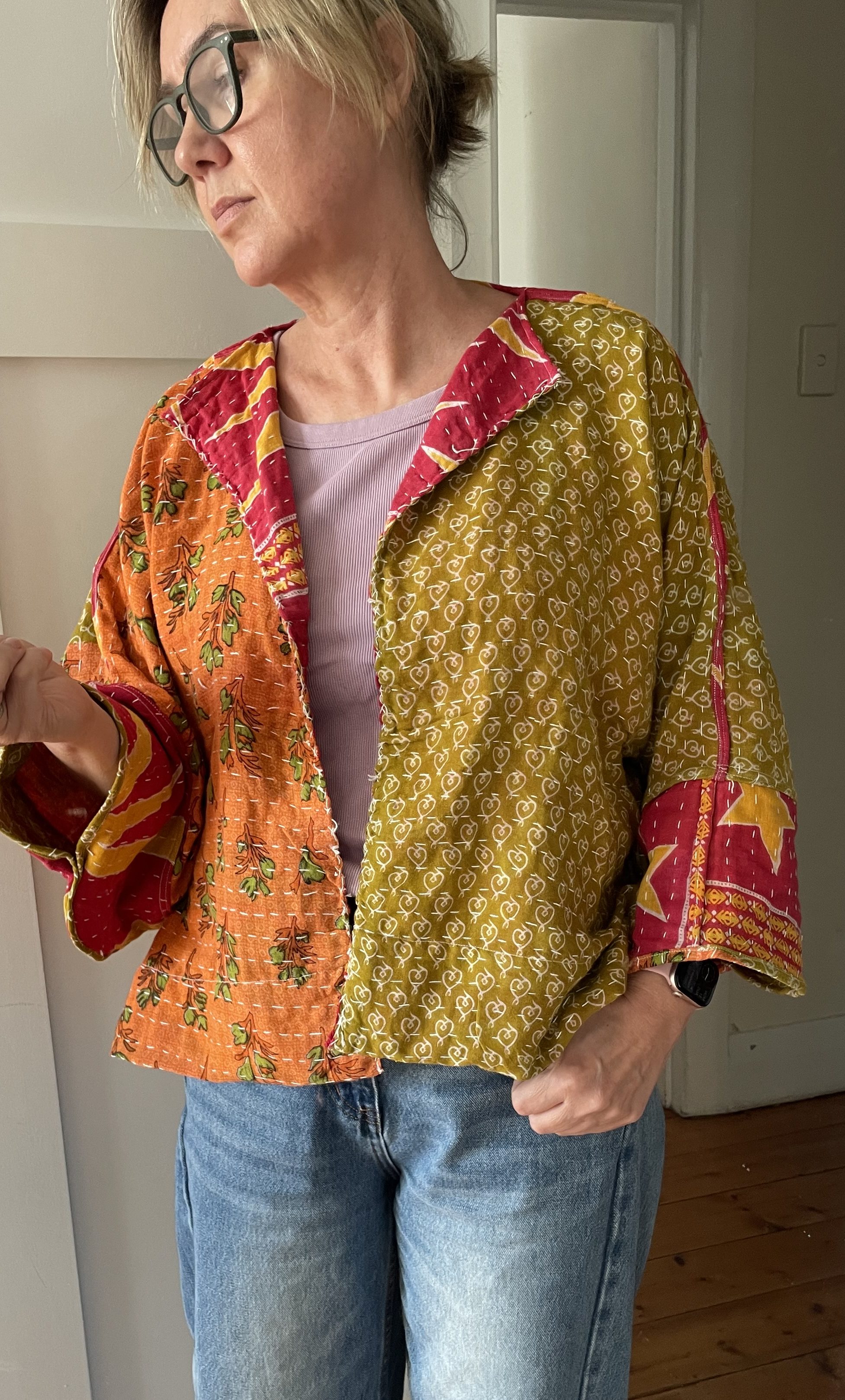
Also, these kantha quilts I got a long time ago have been becoming shackets. Kantha means ‘patched cloth’ in Sanskrit. This fabric is experiencing its’ third life, because the kantha quilts are made from cotton saris. They are reversible so you get two in one. I made some little cloth-covered brooches that match the bias binding, so there is the option to wear them closed.

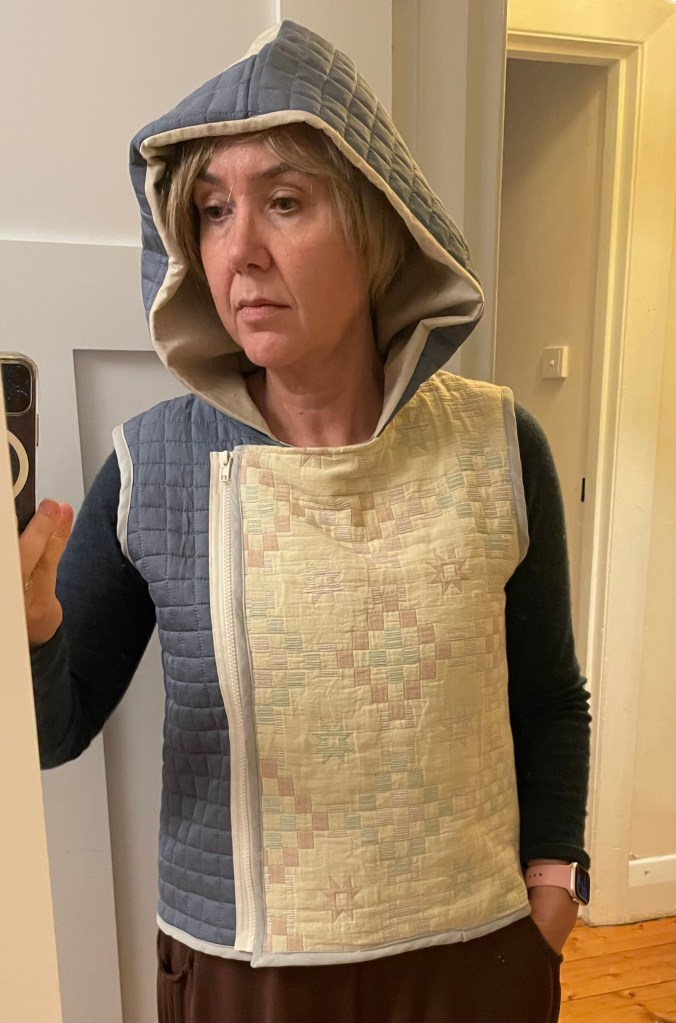
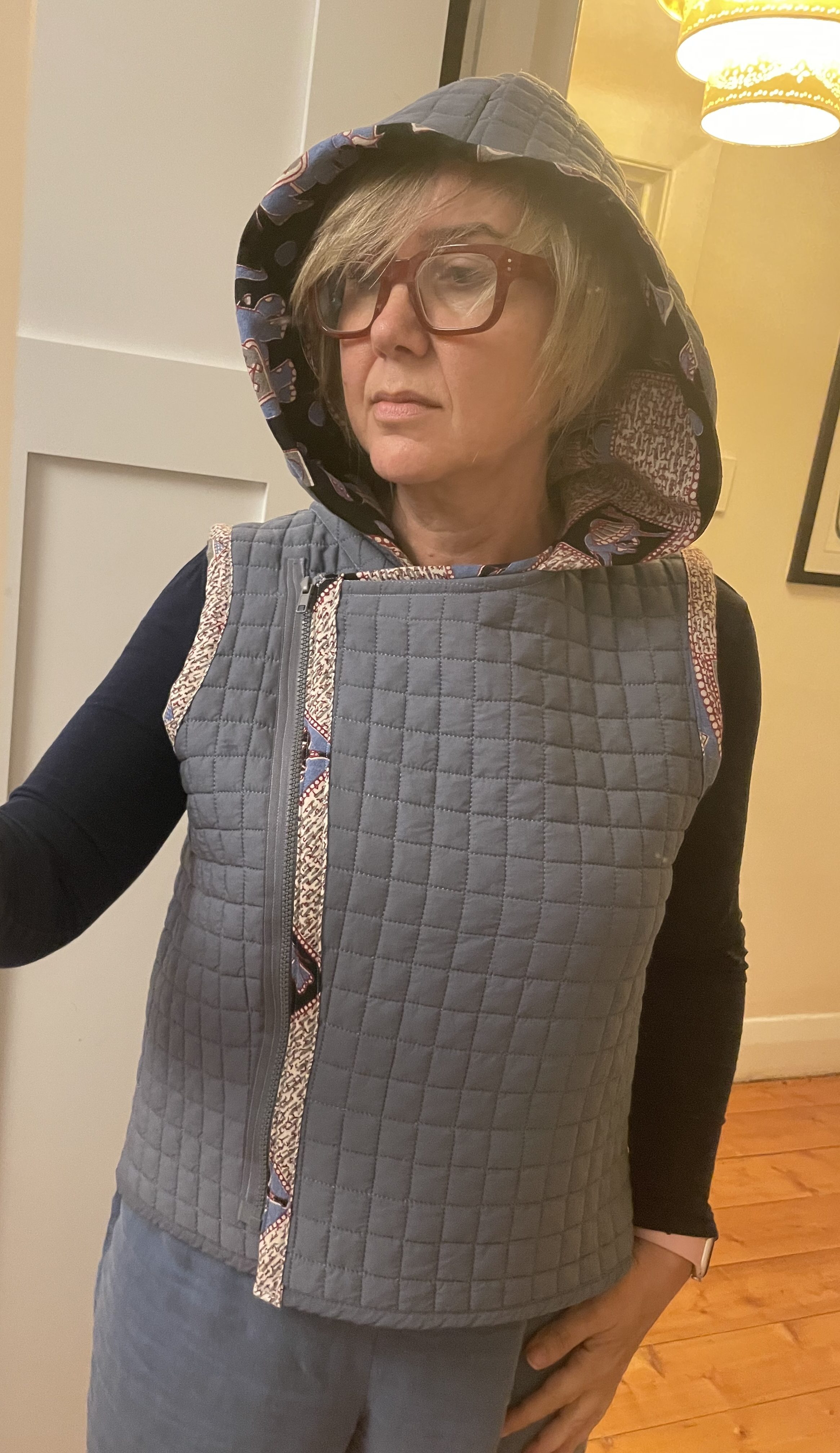
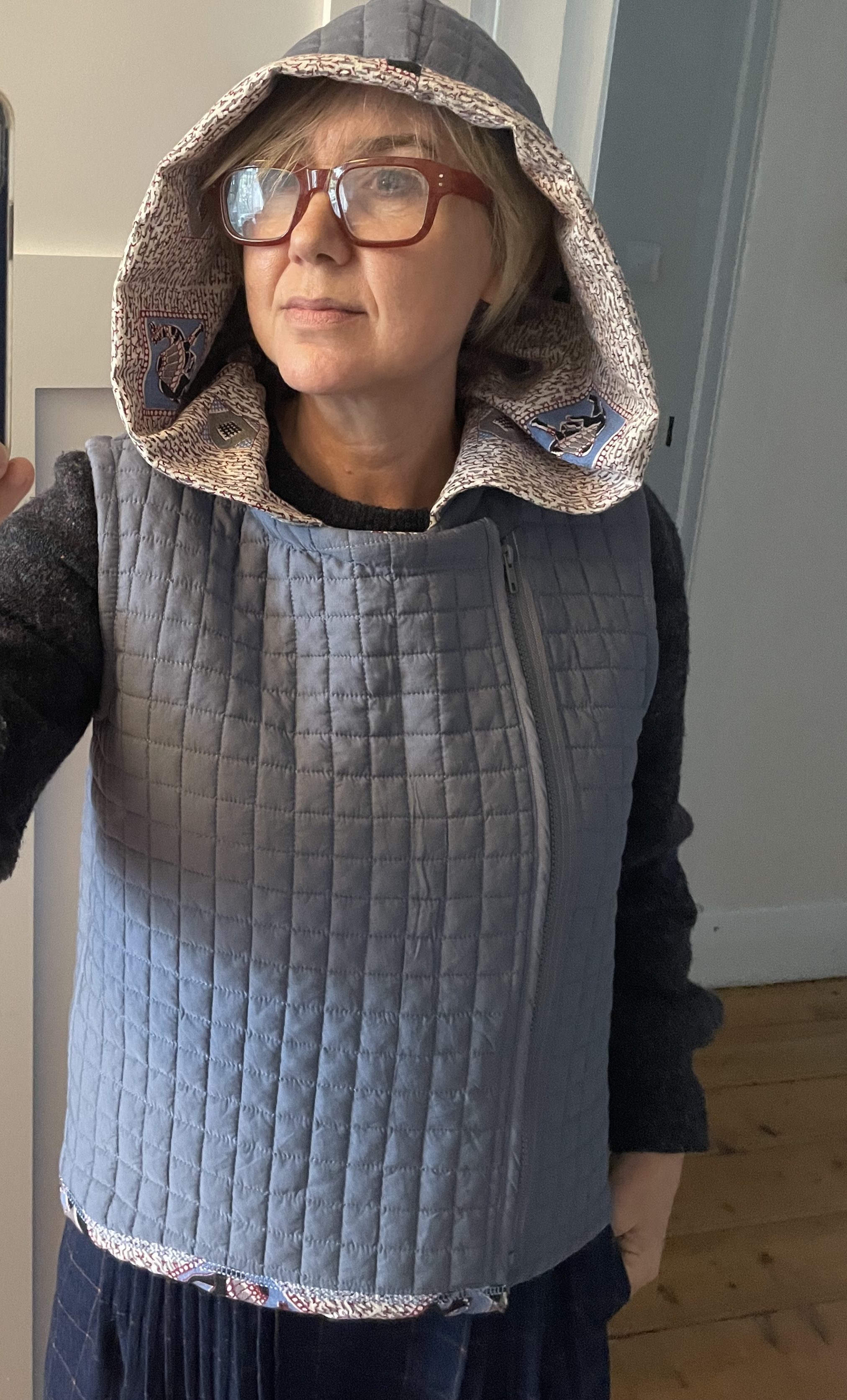
I also found a great bamboo quilt at the op shop, which made the best material for some hooded zip-up vests. They are lined with various bits of rescued cotton fabric.

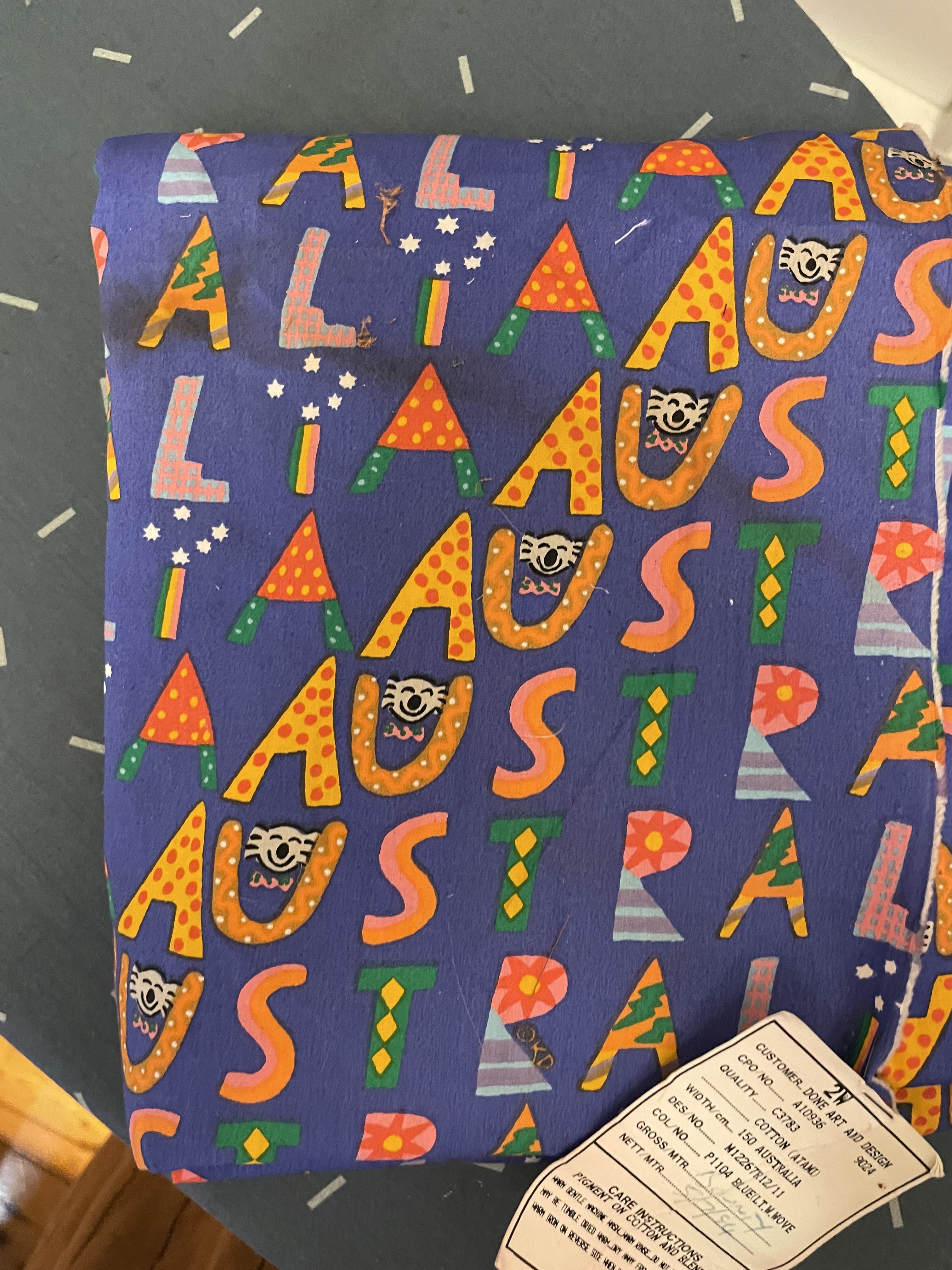
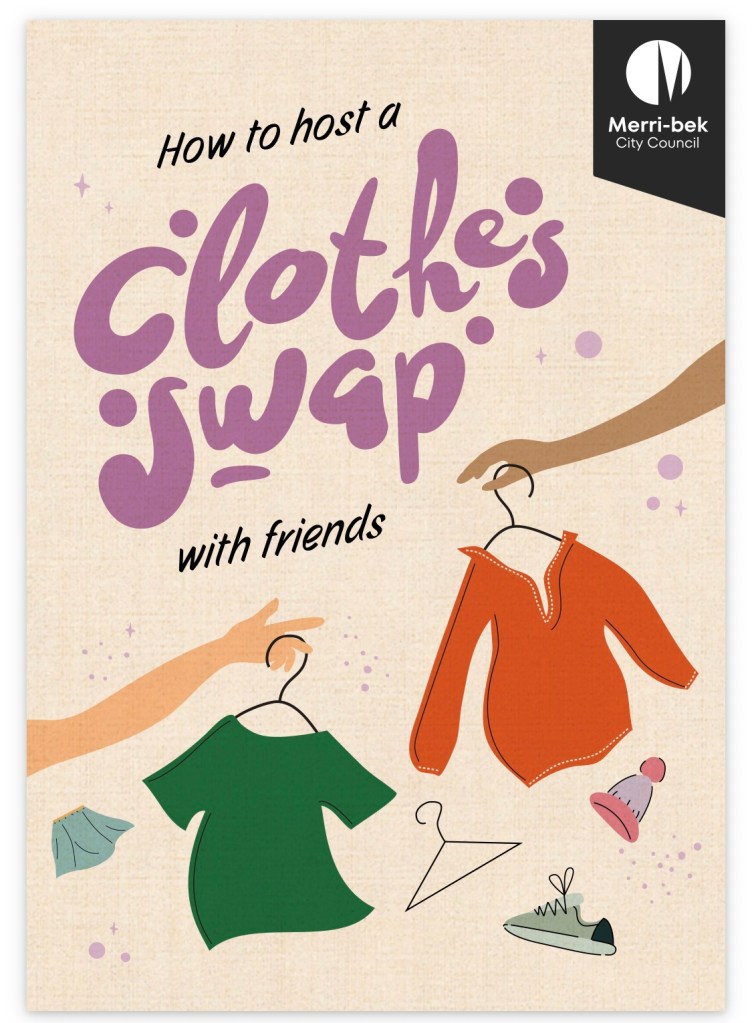
I’m also going to make a few more bathroom bags from some vintage Ken Done fabric.

But you know what? Now that I’ve made this big list, I probably don’t need to make more! I should stop procrastinating and start on the labels and signage. blurggh

July 16 2026: Plastic-free July T-shirt to Tote bag workshop

I’m looking forward to hosting a workshop for Plastic Free July where we will turn our old t-shirts into new tote bags without firing up the ol’ sewing machine. Here’s a tutorial if you’ve got your own sad old t-shirts that are due a new life. Sign up now to attend Thursday, 16 July 2026 | 06:00 PM – 07:30 PM at the Preston Library, 266 Gower St, Preston, 3072, View Map

All you need is scissors! The last time I ran this workshop the importance of Good Sharp Scissors became apparent, so I have since had all my scissors sharpened and serviced (yes, this is a thing!) at Northern Sharpening Services.

May 8 2026: Thanks Neighbour! upcycled cards kids’ craft activity

The best price is free! That’s the approach of the Thanks Neighbour! community market , on Friday 8 May 2026 from 4- 6:30pm at Keon Park Children’s Hub, 1-7 Dole Avenue, Reservoir, 3073, View Map

A market like no other, you can pick up FREE clothes, toys, books and kitchenware, that have been kindly donated by your neighbours. The event offers more than just free stuff, you can also donate your own Still Useful Stuff, enjoy a free bbq, live music and craft activities for kids.

That’s where Remaki comes in! I’ll be running a little table for kids and families to make ‘thank you cards’ for their neighbours (or any kind of card they want to really!). The cards and materials have all been donated for repurposing.

This is the second year Remaki has attended the market. Check out some of these gems from last time:

March 2026: Scrap busting cushion cover with NCAT students

It’s always a pleasure to hang out with the creative and clever young people studying fashion and textiles at the Northern College of Arts and Technology, and this incursion was no exception.

I took two classes through the magical process of making an envelope cushion cover using lapped seams to create a decorative front panel.

This method for creating seams is less bulky and makes it easy to piece together lots of strips of fabric, so good for using up all those bits you are saving.

Here are a few I’ve made:

And check out the students’ handiwork, all in about 2 hours including time for me going on about textile waste!. Images courtesy of @ncat_fashionandtextiles

If you are interested in learning how to do this, I offer private tutoring in addition to running workshops – just get in touch Kerin[at]remaki.com

February 2026: Fairfield Library window display

For the month of February, Remaki is taking over some of the windows at the Fairfield Library at 121 Station Street, Fairfield, Victoria.

The display features some recent examples of upcycled textiles, including:

  • bunting made from doilies – tutorial
  • a sari into a top
  • one of my recent tablecloth tops – tutorial
  • bags made from second hand skirts, bits of an waxed canvas tent, some karate belts and a bathmat
  • cushion covers made from a wool cardigan, jeans, a dyed linen tablecloth and part of a hand-embroidered dress.

The display is timed to coincide with an exhibition inside the library featuring finalists of the recent Fairfield Village Greening Thread Lightly op-shopping competition.

The competition aims to promote the creative possibilities of second-hand shopping as a means of tackling overconsumption and fast fashion.

Australia has become the world’s highest consumer of textiles per capita, surpassing the United States of America in 2024. Australians purchase an average of 56 new clothing items annually, with other 200,000 tonnes of clothing sent to landfill ANNUALLY. (Sorry for the caps, sometimes it gets too much and I need to type-shout.)

Just for reference, the Hot or Cool Institute recommends five new items per year as the maximum we should be sticking to, if we want to live sustainably.

I hope the content of these windows sparks inspiration, ignites a train of thought, or piques the curiosity of passers-by and how we can harness creativity to reduce waste.

December 14, 2025: the art of fabric wrapping

Christmas can fill the wheelie bin while emptying your bank account. The amount of waste we produce goes up 30 per cent at Christmas! One way to reduce the rubbish load is to go for re-usable fabric wrapping instead of the paper stuff.

It could feel a bit weird and intimidating the first time, but it takes the same amount of time to learn as wrapping with paper, only you don’t have to find scissors and sticky tape!

Here’s a few simple ones:

Wrap a bottle in a napkin!
Small rectangular things like make-up, perfume, glasses, pen sets – you know – small rectangular things!
Oval and round things are easy to wrap.
Biscuits and a Scarf! Someone is lucky.
When the wrapping is part of the gift…

Make your wrapping part of the gift, with themed presents, for example:

  • a cookbook wrapped in a tea towel or apron
  • a bucket and spade wrapped in a beach towel
  • jewellery, sunglasses or an item of clothing wrapped in a matching scarf
  • a book wrapped in a library bag or tote bag.

A quick search of google, Pinterest or Youtube will yield a plethora of tutorials on wrapping with fabric. It’s not exactly a new idea; the Japanese art of furoshiki has been practiced for centuries.

If you can sew, a simple gift bag is one of the simplest things to whip up and can add a nice hand-made element to your gift.

You really don’t need special equipment or specific sizes, you just need to be willing to play around a bit until you are happy with the result. And it is well worth the effort. According to the CSIRO Australians use more than 150,000 km of wrapping paper during the festive season- nearly enough paper to wrap around Earth’s equator four times! 

Come and have a play on Sunday 10 December 2025 at the Art of Fabric Wrapping event in Fairfield, Victoria.

And let me know any ideas you have for wrapping/gift combos where the wrapping forms part of the gift!

Leave a Reply